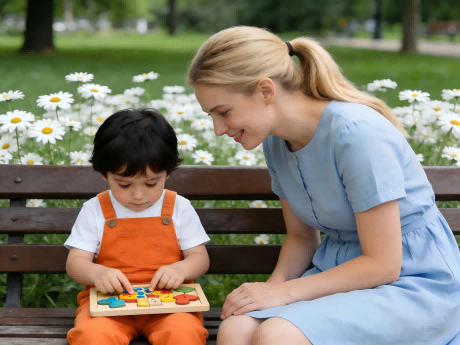
Simple Daily Activities That Build Strong Little Hands
If you’re coming from TikTok 👋
This page breaks down the 15 most important fine motor skills for toddlers, why they matter, and how to practice them naturally through everyday play.
Fine motor skills support hand strength, coordination, independence, and future learning—and the best part is that children build them through simple daily actions.
What Are Fine Motor Skills?
Fine motor skills involve the small muscles of the hands, fingers, and wrists.
They allow children to:
Strong fine motor development is a key part of early childhood development.
Why Fine Motor Skills Matter in Toddlerhood
Toddlers learn best through repetition and play. Practicing fine motor skills helps:
-
Strengthen finger and hand muscles
-
Improve hand-eye coordination
-
Build independence in daily routines
Just 5–15 minutes a day can make a big difference.
The 15 Essential Fine Motor Skills for Toddlers
1. Twist
Twisting builds wrist rotation and grip strength.
Everyday practice ideas:
2. Pinch
Pinching strengthens finger muscles and precision.
Everyday practice ideas:
3. Grip / Clip
Gripping and clipping improve hand control and coordination.
Everyday practice ideas:
4. Tear
Tearing helps develop finger strength and coordination.
Everyday practice ideas:
-
Tearing paper for art projects
-
Pulling apart soft paper towels
-
Tearing food wrappers with help
5. Cut
Cutting supports bilateral coordination and hand control.
Everyday practice ideas:
-
Using child-safe scissors
-
Cutting playdough or soft paper
-
Helping cut soft foods with supervision
6. Fold
Folding improves hand-eye coordination and control.
Everyday practice ideas:
7. Insert
Inserting objects builds spatial awareness and precision.
Everyday practice ideas:
-
Posting coins into a slot
-
Placing shapes into sorters
-
Inserting sticks or rings into holes
8. Roll
Rolling strengthens palms, fingers, and wrists.
Everyday practice ideas:
9. Scoop
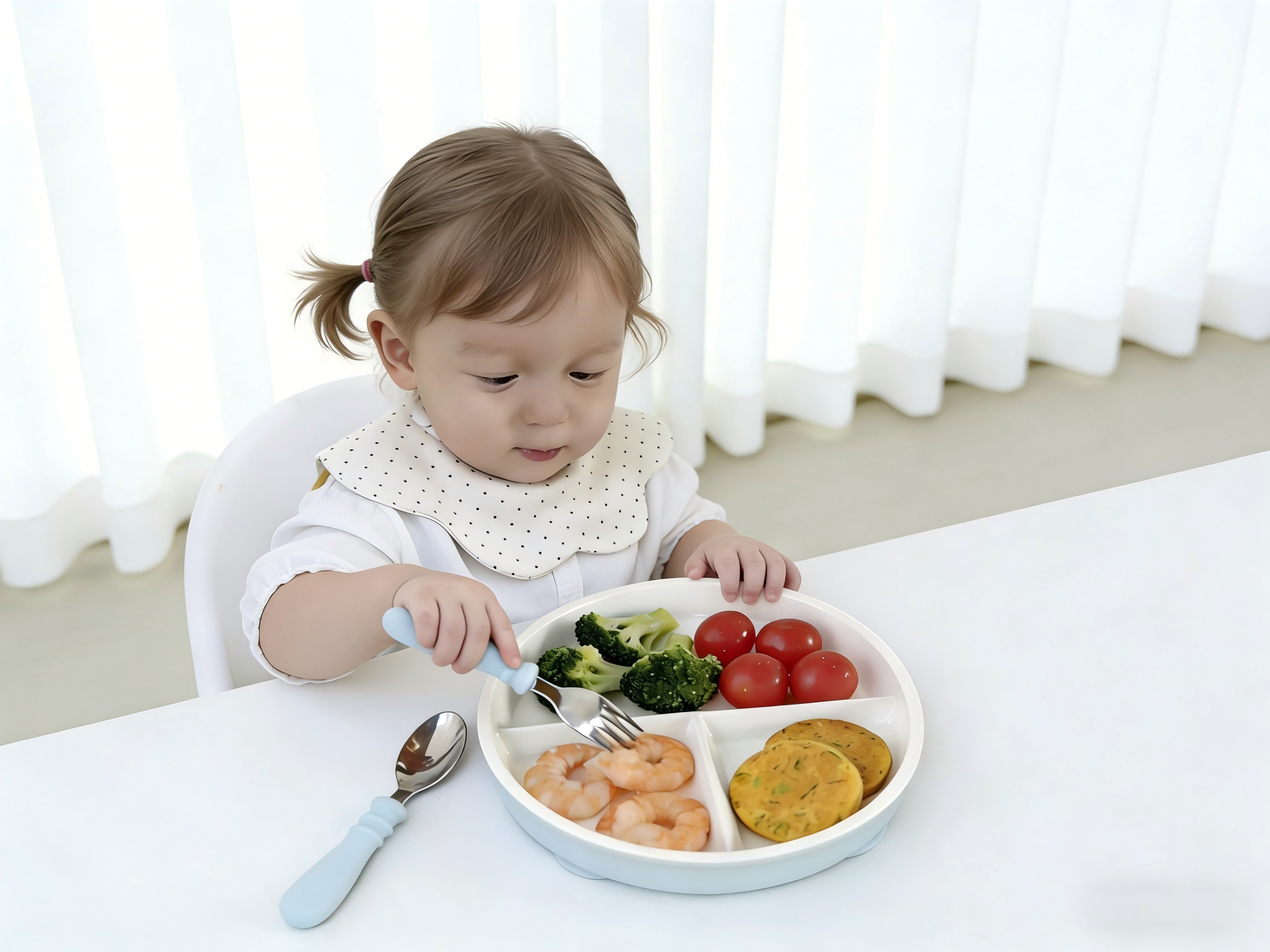
Scooping supports wrist stability and self-feeding skills.
Everyday practice ideas:
-
Scooping food at mealtime
-
Playing with sand or rice
-
Transferring toys with a spoon
10. Wrap
Wrapping improves finger coordination and wrist control.
Everyday practice ideas:
11. Trace
Tracing helps develop pre-writing skills and hand control.
Everyday practice ideas:
12. Slice
Slicing builds hand strength and independence.
Everyday practice ideas:
-
Cutting soft fruits with a safe knife
-
Slicing bananas or avocados
-
Practicing during food prep with supervision
13. Thread / String
Threading develops finger precision, hand-eye coordination, and bilateral hand use.
Everyday practice ideas:
14. Pour
Pouring builds wrist control, hand stability, and patience.
Everyday practice ideas:
-
Pouring water during bath time
-
Transferring dry grains or snacks
-
Helping pour drinks at mealtime
15. Tie
Tying strengthens finger strength, coordination, and problem-solving skills.
Everyday practice ideas:
⭐ Recommended Tools for Key Fine Motor Skills (Optional)
Some fine motor skills are easier to practice when toddlers have tools that feel familiar, safe, and enjoyable.
For Threading & Tying
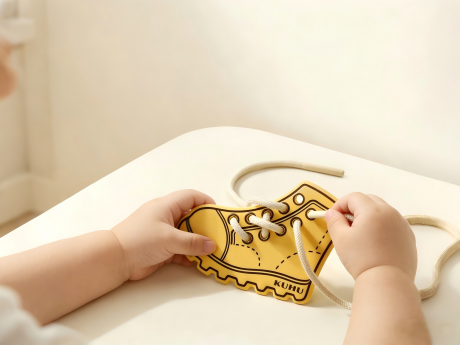
Lace-based toys are especially helpful for developing pulling, threading, and tightening motions.
Shoe-shaped lace toys with soft, food-grade silicone laces allow toddlers to practice these skills safely, while also doubling as teething toys for sensory exploration. They’re ideal for children who are curious about shoes but not yet ready for real laces.
For Tracing
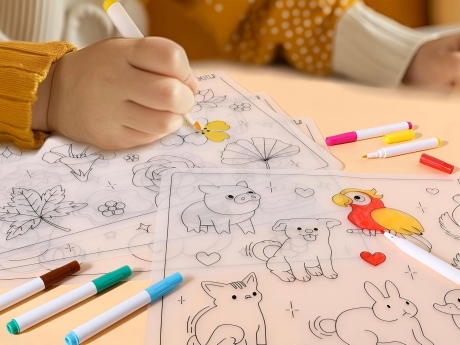
Tracing is a key pre-writing skill that helps build hand control and visual-motor coordination.
A reusable silicone drawing mat gives toddlers a pressure-free way to practice tracing lines, shapes, and patterns. The soft surface is gentle on little hands, easy to clean, and encourages repeated practice without waste—perfect for early fine motor development at home.
⏱ How Often Should Toddlers Practice Fine Motor Skills?
Consistency matters more than perfection.
🎯 Coming from TikTok?
If you watched our TikTok video on 15 fine motor skills kids need to practice, this page gives you simple, real-life ways to try them at home.
Save this guide, revisit it often, and let your child learn through play.
Strong little hands today build confident, capable kids tomorrow 💛